

When exploring tools to manage a carbon footprint, many seek a clear definition. A carbon print tracks all greenhouse gas emissions from our actions, whether direct or indirect. Carbon footprint apps with EKT Airport Transfers ensure every journey is tracked, managed, and aligned with eco-friendly travel goals. choices. These apps offer more than just numbers. They give insights and comparisons. You can choose offset options, like investing in green projects or selecting eco-friendly rides. Frequent travelers can easily stay aware and reduce their impact. This approach helps align trips with sustainable goals.
What is a Carbon Footprint?
A carbon print tracks the greenhouse gases released by human activities. This includes gases like carbon dioxide and methane. It’s measured in CO2e and comes from actions by people, businesses, and governments. Common footprint examples are driving cars, industrial production, and agriculture. These activities impact everyone worldwide.
What Types of Carbon Footprints Are There?
The main types include:
- Corporate Carbon Footprint
- Product Carbon Footprint
- Individual Carbon Footprint
-
Corporate Carbon Footprint
A corporate carbon print comes from companies, their offices, factories, and supply chains. It’s driven by industrial processes, energy use, and electricity. Burning fossil fuels gives off CO2 and greenhouse gases. But with new strategies and examples of footprints, we can cut emissions.
-
Product Carbon Footprint
Emissions tied to a Product Carbon come from various sources.
These include:
- Raw materials
- Manufacturing
- Transportation
- Energy use
- Heating
- Cooling systems
- Recycling
- Disposal
You can use a carbon print calculator to analyze these. Check out examples for better understanding.
-
Individual Carbon Footprint
An Individual’s Carbon print comes from daily choices. These include using cars, SUVs, appliances, and lighting. It also includes showers, laundry, dishwashing, diet, and overall consumption. Using public transport, efficient vehicles, and eco-friendly homes cuts carbon prints. Many examples show this impact.
Top Apps to Monitor Your Carbon print
Carbon print Calculator: A simple tool to measure emissions from your daily actions.
Online Calculators: Quick, accessible tools for individuals who want fast estimates.
Software Tools: Advanced options that provide detailed analysis for deeper insights.
CoolClimate Network: A user-friendly app that helps individuals manage their lifestyle impact.
SimaPro: a professional tool widely used for life-cycle assessment in research.
GaBi: A reliable platform for businesses aiming to evaluate product sustainability.
Carbon Trust Footprint Manager helps organizations track and meet their sustainability goals.
How These Apps Help You Offset Your Carbon print
Many mobile tools help reduce carbon print. They provide real-time insights and suggest practical actions. They often figure out emission factors from your daily choices. This includes things like driving, shopping, or eating. Switching to sustainable diets or better waste management can cut your impact. Some apps connect users to renewable energy projects. This makes carbon offsetting just a click away. They track energy use and suggest ways to save energy. This helps households adopt greener habits. We have seen apps that track landfills, encourage recycling, and highlight better farming methods. This learning helps not just individuals but also brings change to the community.
Key Features to Look for in Carbon Footprint Apps
- A carbon print calculator that is simple yet accurate
- High data quality to ensure reliable results
- Clear boundaries for what is included in the calculations
- Alignment with the greenhouse gas protocol for standardized reporting
- Use of life cycle assessment to cover the full impact of products and activities
- Accurate emission factors for realistic and trustworthy outputs
Final Thoughts
Every choice we make impacts the carbon footprint. This shapes the bigger discussion about climate change and global warming. It’s not just about numbers. It’s about owning how our daily habits affect the planet. Shifting to sustainability shows we care about today and tomorrow. It protects our present and ensures future generations inherit a better world. Follow EKT Airport Transfers on Facebook for daily highlights.
FAQs
What affects the carbon footprint the most?
Fossil fuels and energy use affect our carbon print. So do transportation, industry, agriculture, and waste.
What is the biggest source of carbon print?
The main source of carbon prints is fossil fuel burning. This happens in power plants, during electricity generation, and in transportation.
What country has a zero carbon footprint?
Bhutan is unique for its low carbon print. Its government policies ensure it stays well beyond net zero, achieving real carbon neutrality.




Plan the perfect NYC Memorial Day weekend
Pack only what you need and avoid overpacking to streamline the check-in and security screening…

LA’s worst traffic areas and how to avoid them
Consider using alternative routes, such as Sepulveda Boulevard, which runs parallel to the 405 in…

Escaping London for a relaxing long weekend
Explore the picturesque countryside of England, such as the Cotswolds, Lake District, or Peak District.

3 reasons to swap your short-haul flight for a road trip
Road trips offer unparalleled flexibility and the opportunity for spontaneous exploration.

The most efficient airlines and airports globally
Carry a reusable water bottle and snacks to stay hydrated and energized throughout your journey.

How to make your airport experience stress-free
Arrive at the airport well ahead of your flight time to account for potential delays,…
Apps to track and offset your carbon footprint
My Planet helps you track your daily activities and their environmental impact, including carbon emissions.
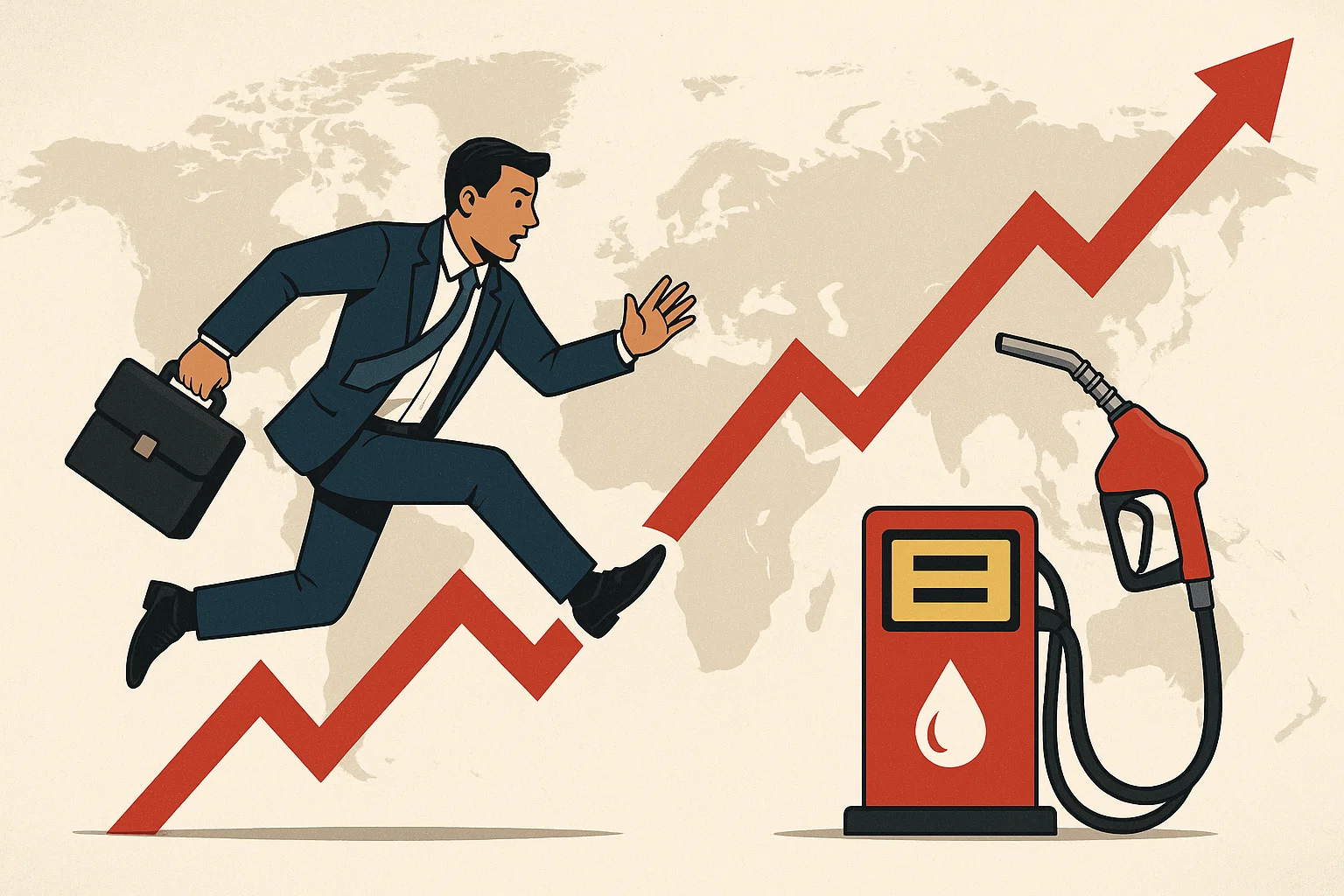
How to avoid the impact of rising gas prices around the globe
If you're in the market for a new vehicle, consider purchasing a fuel-efficient or hybrid…

Explore the big things happening in Dallas
The real estate market in Dallas has been booming, with a surge in both residential…

3 hidden-gem destinations for your wish list
Have you spent the last few years wistfully daydreaming of places to visit?